
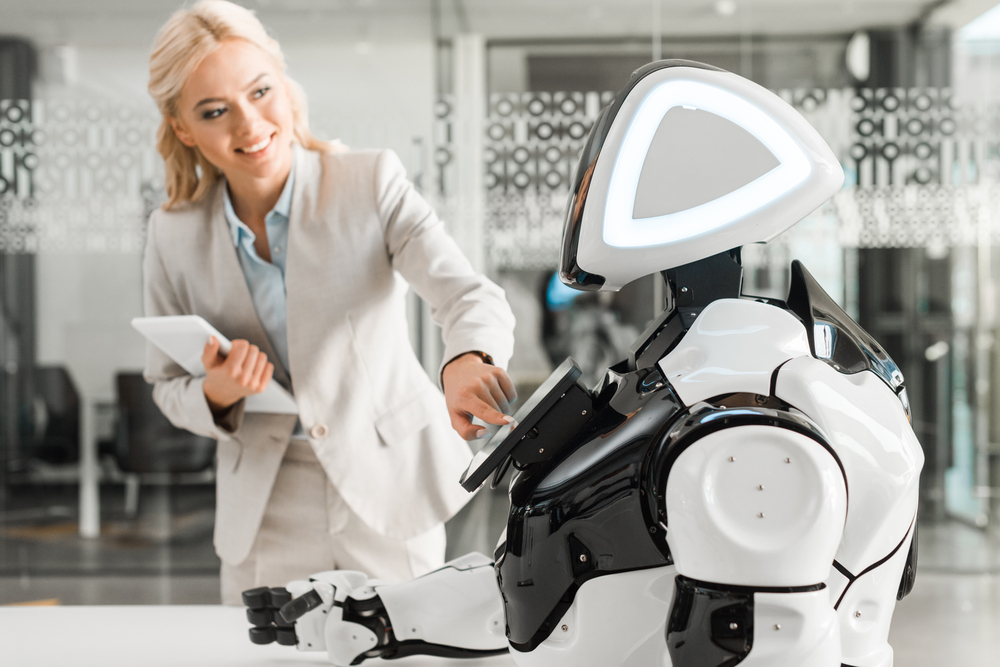
Artificial intelligence (AI) seems to be everywhere. It writes emails, recommends movies, answers questions, creates artwork, and even helps doctors detect diseases earlier than ever before. With so many technological advances happening at a rapid pace, it’s natural to wonder: Will AI take over dentistry?
The short answer is no—but it will change dentistry in many positive ways.
Rather than replacing dentists, artificial intelligence is becoming another tool that can help dental professionals diagnose problems earlier, improve treatment planning, and provide more personalized care. The human relationship between dentist and patient, however, remains something technology simply can’t replace.
At Family Wellness Dentistry in Plano, TX, we’re committed to combining modern technology with compassionate, personalized care. If you have questions about your oral health or would like to experience patient-centered dentistry, call (972) 867-5989 to schedule an appointment today.
What Is Artificial Intelligence?
Artificial intelligence refers to computer systems designed to analyze information, recognize patterns, and assist with decision-making. Unlike traditional computer programs that simply follow fixed instructions, AI can learn from large amounts of data and identify trends that may not be immediately obvious.
In healthcare, AI has already been used to help physicians analyze medical images, predict certain health risks, streamline documentation, and improve workflow efficiency.
Dentistry is beginning to experience many of these same benefits.
How Is AI Already Being Used in Dentistry?
Many patients are surprised to learn that artificial intelligence is already making its way into dental offices across the country.
Some emerging applications include:
- Assisting dentists in reviewing digital X-rays
- Identifying potential areas of tooth decay
- Highlighting possible bone loss
- Monitoring changes over time
- Helping organize patient records
- Supporting treatment planning
- Improving scheduling and administrative tasks
It’s important to understand that AI doesn’t diagnose patients independently. Instead, it provides another layer of information for dentists to evaluate alongside clinical examinations and professional judgment.
Think of it as an extremely sophisticated assistant—not a replacement.
Can AI Detect Cavities Better Than a Dentist?
One of the most exciting areas of AI development involves dental imaging.
Artificial intelligence can analyze thousands of radiographs and learn to recognize subtle patterns associated with cavities, fractures, bone loss, or other conditions. In some situations, AI may highlight areas that deserve a closer look.
However, identifying a dark spot on an X-ray is only one part of diagnosing a dental problem.
Your dentist also considers:
- Your symptoms
- Medical history
- Clinical examination
- Existing dental work
- Bite alignment
- Tooth vitality
- Gum health
- Previous X-rays
- Lifestyle factors
A cavity isn’t diagnosed based solely on one image. Every finding must be interpreted within the context of the entire patient.
Dentistry Is More Than Reading X-Rays
People often think dentistry is simply filling cavities or cleaning teeth.
In reality, every patient presents a unique combination of medical history, habits, goals, emotions, and clinical findings.
For example, two patients may have identical-looking cracks on an X-ray.
One patient may need immediate treatment because the crack is causing pain and affecting function.
The other may simply require monitoring because the crack is superficial and stable.
Artificial intelligence cannot fully understand these individual circumstances the way an experienced dentist can.
Human Judgment Still Matters
Every treatment recommendation involves balancing benefits, risks, costs, patient preferences, and long-term oral health.
Should a tooth receive a filling?
Would a crown provide better long-term protection?
Is the discomfort actually coming from another tooth?
Would monitoring be more appropriate than treatment?
These decisions require critical thinking, communication, and experience.
Dentistry is as much about judgment as it is about technology.
AI Can’t Build Trust
One of the most important parts of dentistry has nothing to do with teeth.
Many patients arrive feeling anxious or fearful. Some have avoided the dentist for years because of previous experiences. Others have complicated medical histories that require careful conversations before treatment begins.
Artificial intelligence cannot:
- Calm a nervous child
- Reassure an anxious patient
- Explain treatment in plain language
- Understand your personal priorities
- Build long-term relationships
- Recognize subtle emotional concerns
Trust is built through human interaction.
Listening carefully, answering questions honestly, and treating patients with compassion will always remain central to quality dental care.
AI May Help Dentists Provide Better Care
Rather than replacing dentists, AI has the potential to improve the patient experience.
Future benefits may include:
Earlier Detection
AI may identify subtle changes before they become larger problems, allowing for earlier intervention.
Improved Consistency
Computer-assisted analysis may reduce the chance that tiny findings are overlooked during image review.
Better Patient Education
Some AI software visually highlights potential concerns on digital X-rays, making it easier for patients to understand what their dentist is seeing.
When patients better understand their oral health, they can make more informed treatment decisions.
Increased Efficiency
Administrative tasks like scheduling, chart organization, insurance documentation, and record management may become more streamlined, allowing dental teams to spend more time focusing on patient care.
Are There Limitations to AI?
Absolutely.
Artificial intelligence is only as reliable as the information it receives.
AI cannot:
- Feel tenderness during an examination
- Evaluate jaw movement
- Assess muscle tension
- Understand patient values
- Recognize anxiety
- Adapt treatment based on personal circumstances
- Build rapport with families
It also depends on high-quality imaging and properly trained clinicians who know how to interpret its recommendations.
Technology can support good dentistry, but it cannot replace sound clinical judgment.
The Future of Dentistry Is Human Plus Technology
The future isn’t dentists versus artificial intelligence.
It’s dentists using artificial intelligence responsibly.
Modern dental technology has already transformed patient care through digital X-rays, intraoral cameras, 3D imaging, CAD/CAM restorations, laser dentistry, and digital impressions.
Artificial intelligence represents another exciting advancement that may help dentists diagnose problems earlier, communicate more effectively, and improve efficiency.
But the heart of dentistry will always remain the relationship between doctor and patient.
Choosing a Dental Practice in an AI World
As technology continues to evolve, patients should look for a dental office that embraces innovation without losing sight of personalized care.
The best practices use technology to support—not replace—the expertise, compassion, and experience that patients deserve.
At Family Wellness Dentistry, every treatment recommendation is based on careful clinical evaluation, open communication, and your individual goals. Technology helps us provide excellent care, but our focus remains on treating people—not just teeth.
Experience Personalized Dental Care in Plano, TX
Artificial intelligence will undoubtedly continue to influence dentistry in exciting ways. It may improve diagnostics, increase efficiency, and enhance patient education. However, it cannot replace the experience, empathy, and clinical judgment of a trusted dentist.
If you’re looking for comprehensive dental care that combines advanced technology with genuine personal attention, Family Wellness Dentistry in Plano, TX is here to help. Call (972) 867-5989 today to schedule your appointment and experience dentistry that’s built on both innovation and relationships.