
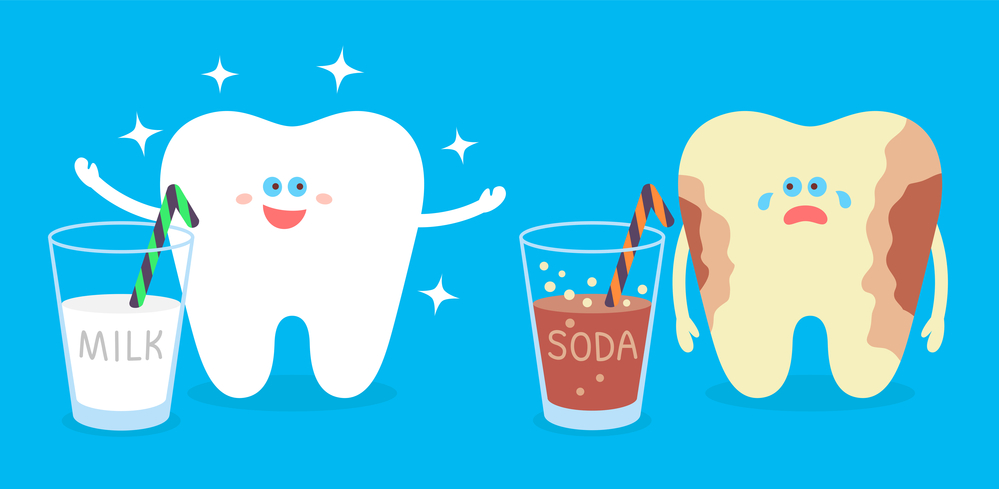
Most people expect their teeth to change color gradually over time. Coffee, tea, red wine, tobacco, and even aging can slowly dull a smile, affecting every tooth similarly. But what if only one tooth changes color? A single discolored tooth can be surprising—and sometimes concerning.
While a discolored tooth may simply be the result of an old dental injury or stain, it can also signal an underlying problem that requires professional attention. The good news is that many causes of tooth discoloration are treatable, especially when they’re diagnosed early.
At Family Wellness Dentistry in Plano, TX, we help patients determine why a tooth has changed color and recommend treatment options that restore both oral health and confidence. If you’ve noticed a discolored tooth, call (972) 867-5989 to schedule a comprehensive dental evaluation.
What Is a Discolored Tooth?
A discolored tooth is any tooth that appears noticeably darker, lighter, yellow, gray, brown, pink, or even black compared to the surrounding teeth.
Unlike general staining that affects your entire smile, discoloration in just one tooth often points to a specific cause involving that individual tooth.
The color change may happen gradually over months or appear suddenly after an injury or dental procedure.
Because the cause isn’t always obvious, it’s important not to assume whitening toothpaste or over-the-counter whitening strips will solve the problem.
Extrinsic vs. Intrinsic Tooth Discoloration
Dentists generally classify tooth discoloration into two categories.
Extrinsic Stains
Extrinsic stains occur on the outside surface of the enamel.
These are commonly caused by:
- Coffee
- Tea
- Red wine
- Tobacco products
- Dark-colored sodas
- Certain foods like berries or curry
- Poor oral hygiene
Professional dental cleanings and whitening treatments can often improve these types of stains.
Intrinsic Discoloration
Intrinsic discoloration develops inside the tooth itself.
This type of discoloration is usually more difficult to remove because the color change occurs beneath the enamel.
Intrinsic discoloration often requires different treatment than surface staining.
Common Causes of a Discolored Tooth
Several conditions can cause one tooth to change color.
Previous Dental Trauma
Many adults don’t realize that a tooth injured years ago can change color long after the accident.
Even a seemingly minor injury from:
- Sports
- Falls
- Bicycle accidents
- Car accidents
- Childhood injuries
can damage the blood vessels inside the tooth.
The tooth may gradually become gray, brown, or dark yellow as the internal tissue changes.
Sometimes patients don’t even remember the original injury until their dentist asks about it.
A Dying Tooth Nerve
One of the more serious causes of a discolored tooth is damage to the dental pulp—the living tissue inside the tooth that contains nerves and blood vessels.
When this tissue becomes severely inflamed or dies, the tooth may slowly darken.
Other symptoms may include:
- Pain when biting
- Sensitivity to temperature
- Swelling
- A pimple on the gums
Interestingly, some teeth become discolored without causing any pain at all.
That’s one reason regular dental examinations remain so important.
Tooth Decay
Although cavities usually begin as small white or brown spots, advanced decay can eventually cause larger areas of dark discoloration.
As bacteria continue damaging the tooth, portions of the enamel and dentin may appear brown, black, or gray.
Prompt treatment helps preserve as much healthy tooth structure as possible.
Old Fillings and Dental Materials
Older silver (amalgam) fillings may gradually create a gray or bluish appearance beneath the surrounding enamel.
Large restorations can also weaken teeth over time, occasionally leading to cracks or other issues that contribute to discoloration.
During your examination, your dentist can determine whether an aging restoration may be contributing to the change in appearance.
Internal Bleeding After Trauma
Following an injury, tiny blood vessels inside the tooth can rupture.
As blood products break down within the tooth, the internal structure may darken.
This process often develops slowly, which is why discoloration sometimes appears weeks or months after the original accident.
Certain Medications
Some medications can affect developing teeth, particularly when exposure occurs during childhood.
Although this type of discoloration usually affects multiple teeth rather than just one, your dentist will review your medical history as part of the diagnostic process.
Can a Discolored Tooth Be Saved?
Many patients immediately assume a dark tooth must be extracted.
Fortunately, that’s often not the case.
The best treatment depends entirely on the underlying cause.
Possible options include:
Professional Teeth Whitening
If the discoloration is caused by external staining, professional whitening may significantly improve the appearance.
However, whitening products generally do not correct teeth that have darkened internally.
Internal Whitening
Teeth that have previously received root canal treatment may sometimes be whitened from the inside using specialized techniques.
This approach can brighten a single tooth without affecting the surrounding teeth.
Dental Bonding
Minor discoloration may sometimes be concealed with tooth-colored composite resin.
Bonding is often a conservative cosmetic option for selected cases.
Porcelain Veneers
When the tooth is healthy but cosmetically compromised, a porcelain veneer may improve both color and appearance.
Veneers cover the front surface of the tooth and can create a natural-looking result.
Dental Crowns
If the tooth has extensive damage in addition to discoloration, a crown may provide both cosmetic improvement and structural protection.
Root Canal Therapy
If discoloration results from an unhealthy or dead pulp, root canal treatment may preserve the tooth while eliminating infection or inflammation.
After treatment, additional cosmetic procedures can often improve the tooth’s appearance.
When Should You See a Dentist?
Schedule an evaluation if you notice:
- One tooth becoming darker than the others
- Gray or brown discoloration
- Pain when chewing
- Swelling around a tooth
- A history of dental trauma
- Sensitivity that doesn’t improve
- Sudden changes in tooth color
The sooner the cause is identified, the more treatment options may be available.
Waiting too long can allow certain problems to become more complex.
Can You Prevent Tooth Discoloration?
While not every cause is preventable, healthy habits reduce your overall risk.
These include:
- Brushing twice daily with fluoride toothpaste
- Flossing every day
- Wearing a mouthguard during sports
- Avoiding tobacco products
- Limiting staining foods and beverages
- Visiting your dentist regularly for preventive care
Routine dental examinations often identify subtle changes before patients notice them at home.
Restore Your Smile at Family Wellness Dentistry
A discolored tooth isn’t always just a cosmetic concern. Sometimes it’s simply a stain. Other times, it may indicate trauma, decay, or changes inside the tooth that deserve prompt attention.
At Family Wellness Dentistry in Plano, TX, we take the time to identify the true cause of tooth discoloration before recommending treatment. Whether you need cosmetic dentistry, restorative care, or simply reassurance that your tooth is healthy, our team is here to help you make informed decisions about your smile.
If you’ve noticed a discolored tooth, don’t wait to have it evaluated. Call Family Wellness Dentistry today at (972) 867-5989 to schedule your appointment and take the first step toward restoring a healthy, confident smile.