
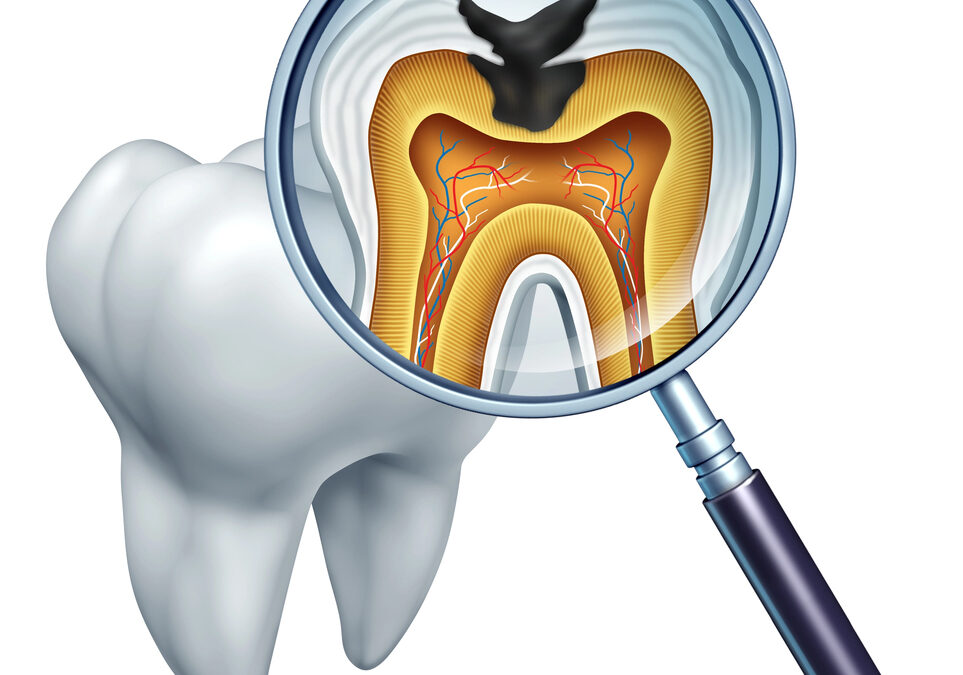
Cavities often develop quietly, without any discomfort. That’s why our general dentist in Plano, TX, frequently sees early tooth decay during routine exams in patients who feel completely fine. This lack of pain can be misleading and dangerous because untreated decay continues to grow beneath the surface.
Don’t give decay a chance to damage your smile – book twice-yearly dental exams and cleanings with Ankita J Patel, DDS, at Family Wellness Dentistry. Call our dentist in Plano, TX, at (972) 867-5989 to start planning your next visit today!
Even if an early cavity doesn’t cause any pain, it’s still damaging your smile. Understanding why this happens can help patients protect their teeth before serious damage occurs.
What Cavities Really Are
Almost everyone has had or will get a cavity in their lifetime. In fact, data suggest that around 90% of adults aged 20 and older have had at least one cavity.
Tooth decay begins when bacteria naturally present in the mouth feed on sugars and starches from food. As these bacteria digest those sugars, they produce acid. Over time, this acid weakens the outer coating of the tooth, called enamel. Once enamel breaks down, permanent damage begins.
Cavities are not sudden events. They develop slowly, often over months or years. Because the process is gradual, many people do not notice any changes until the damage becomes advanced.
Why Early Cavities Rarely Cause Pain
One major reason decay goes unnoticed is the enamel itself. Enamel is the hardest substance in the human body, but it contains no nerves. So, when damage stays within this outer layer, the tooth cannot send pain signals.
This means cavities can grow quietly without any warning signs. Patients may assume everything is fine simply because they do not feel pain. Unfortunately, this false sense of security allows decay to worsen.
The Transition From Enamel to Dentin
Beneath enamel lies dentin, a softer layer filled with tiny channels that connect to the tooth’s nerve. Once decay reaches dentin, sensitivity may begin. However, this sensitivity is often mild or inconsistent.
At this stage, cavities may cause brief discomfort with cold drinks or sweet foods, but not enough pain to prompt urgent care. Many patients delay treatment, allowing decay to continue spreading deeper.
Why Pain Usually Signals Advanced Damage
Significant tooth pain usually appears only when decay reaches the pulp. The pulp contains nerves and blood vessels, which react strongly to infection and pressure.
When cavities reach this stage, treatment becomes more complex. What could have been a simple filling may now require root canal therapy or a crown. Pain, in this case, signals that damage is already severe.
The Problem With Waiting for Symptoms
Relying on pain as a warning sign is risky. Tooth decay does not follow the same timeline for everyone. Some patients experience discomfort early, while others feel nothing until major damage occurs.
Because cavities progress silently, waiting for symptoms often means waiting too long. Early detection is always easier, faster, and more affordable than treating advanced decay.
Small Cavities Mean Conservative Treatment
When patients catch decay early, treatment is usually simple. A small filling can remove damaged tissue and restore the tooth’s strength.
Early care preserves natural tooth structure and prevents future problems. Addressing cavities early also reduces the likelihood of additional dental work later in life.
Large Cavities Lead to Bigger Procedures
As decay spreads, it permanently destroys more tooth structure. This weakens the tooth and increases the risk of fractures.
Advanced cavities may require crowns to restore strength or root canal therapy to remove infection. These procedures are effective but involve more time, cost, and recovery.
Hidden Cavities Between Teeth
Some of the most dangerous decay forms where patients cannot see it. The tight spaces between teeth trap plaque and are difficult to clean thoroughly.
Cavities in these areas rarely cause early symptoms. Dental X-rays are often the only way to detect them before significant damage occurs.
Gumline Cavities Develop Quietly
Decay near the gumline is another common issue. As gums recede, the root surface becomes exposed. Roots lack enamel and decay faster.
These cavities may progress rapidly with little discomfort, especially in adults. Without regular dental visits, gumline decay can remain unnoticed.
Cavities Beneath Old Dental Work
Dental restorations are durable, but they are not permanent. Over time, bacteria can enter small gaps around fillings or crowns.
Decay under restorations is often painless at first. These hidden cavities are typically found during professional exams, not by symptoms.
Why Children Often Feel No Pain
Children’s teeth have thinner enamel, which allows decay to move quickly. Even so, early decay may not hurt.
Because cavities in children can spread fast, routine dental visits with Dr. Patel are essential. Early care protects developing teeth and prevents future complications.
Adults Are Also at Risk
Many adults believe tooth decay is a childhood issue. This misconception leads to delayed care.
Dry mouth, medications, and stress increase risk. Cavities in adults often develop quietly, especially as enamel wears with age. So, just as children require twice-yearly checkups with Dr. Patel, so do adults.
Why Sensitivity Can Be Misleading
Not all sensitivity means decay. Worn enamel or exposed roots can cause similar sensations.
At the same time, cavities may exist without sensitivity at all. Professional exams at Family Wellness Dentistry provide accurate answers that symptoms alone cannot.
The Cost of Delayed Treatment
Early treatment is almost always less expensive. A small filling costs far less than advanced procedures.
Ignoring cavities often leads to higher costs and more extensive care. Preventive dentistry saves your money, time, and teeth.
Why Regular Dental Visits with Dr. Patel Matter
Professional exams allow Dr. Patel to spot early warning signs of decay, while thorough cleanings remove hardened plaque that brushing cannot. As a result, routine visits help catch cavities early so patients can keep their smiles healthy, strong, and beautiful throughout their lives.
Fight Cavities with Preventive Care at Family Wellness Dentistry
Silent decay is a serious issue because it creates a false sense of security. That’s why early action and preventive dentistry are so important.
So, if it’s been a while since your last checkup and cleaning, now’s the time to take charge of your health. Click here to book a cleaning and exam with Ankita J Patel, DDS, or call Family Wellness Dentistry in Plano, TX, at (972) 867-5989 to protect your comfort, health, and smile for years to come.