
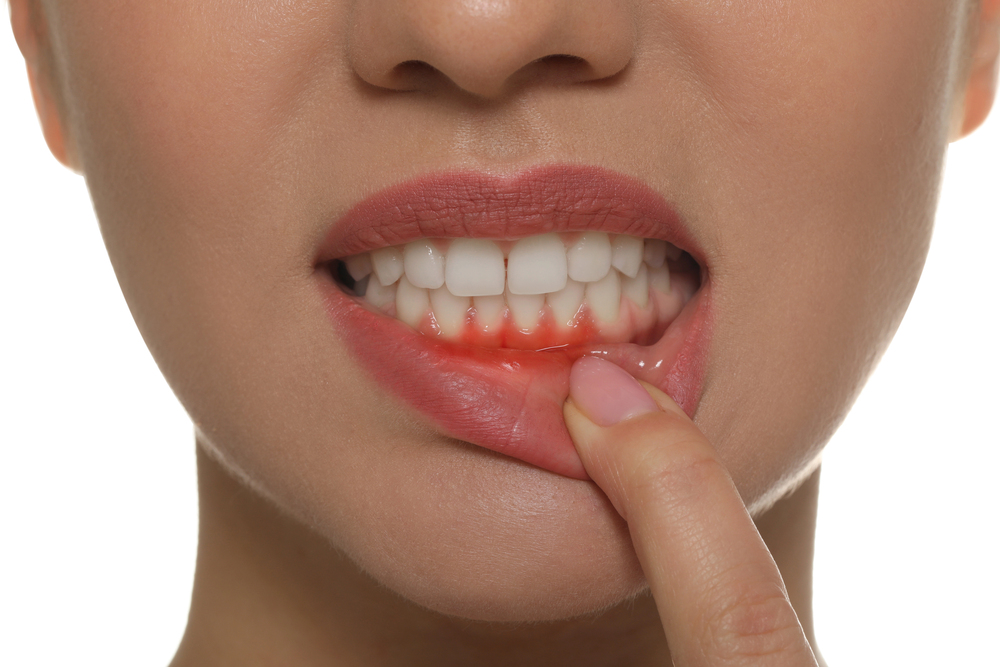
Are your sensitive gums becoming more painful, swollen, or reactive? Many people experience worsening sensitive gums over time, often without understanding why. According to your dentist in Plano, TX, this change can feel sudden, but it usually reflects underlying issues that have been developing gradually.
Understanding what is causing your sensitive gums to worsen is the first step toward relief. So, don’t wait for disaster to strike. Call Family Wellness Dentistry at (972) 867-5989 to book an evaluation with Ankita J Patel, DDS, in Plano, TX, today!
When Tender Turns Troublesome: What Sensitive Gums Feel Like
Sensitive gums often present with:
- Tenderness
- Redness
- Swelling
- Bleeding during brushing and flossing
- Sensitivity while eating hot, cold, or acidic foods.
While occasional irritation may seem minor, persistent symptoms often signal deeper concerns. Ignoring these signs can allow minor inflammation to progress into more serious gum conditions.
Plaque Buildup: The Silent Trigger Behind Sensitive Gums
One of the most common reasons for worsening sensitive gums is plaque accumulation. Plaque is a sticky coating of food and bacteria that forms on teeth and along the gumline. When not removed, it irritates gum tissue and causes inflammation.
This condition is called gingivitis. It is the earliest stage of gum disease and is highly treatable. However, if left untreated, it can rapidly progress into aggressive periodontitis, which causes lasting damage.
A Widespread Issue Backed by Research
Studies show that gum sensitivity may be largely attributed to gum disease. This disease is remarkably common, with some experts estimating roughly half of all adults exhibiting signs of the condition.
Brushing Habits That May Be Doing Harm
It may seem surprising, but your brushing technique can worsen sensitive gums. Brushing too hard or using a toothbrush with hard or stiff bristles can damage gum tissue.
Over time, this can lead to gum recession, where the gumline pulls away from the teeth. This exposes sensitive root surfaces and increases discomfort.
Luckily, switching to a soft-bristled toothbrush and using gentle, circular motions can help protect your gums.
Gum Recession: A Hidden Contributor
Gum recession often develops slowly and may go unnoticed at first. However, it plays a major role in worsening sensitive gums.
When gums recede, they expose the dentin layer of the tooth. Dentin contains tiny tubules that connect to nerve endings. This exposure can make your gums and teeth more reactive to temperature, pressure, and certain foods.
The Role of Diet in Gum Sensitivity
What you eat can directly affect your gum health. Frequent consumption of sugary or acidic foods fuels harmful bacteria and weakens enamel. Acidic foods can also irritate already inflamed gum tissue. Additionally, a diet low in essential nutrients, such as vitamin C, may impair your body’s ability to maintain healthy gums. These factors can make sensitive gums worse over time.
Hormonal Changes and Their Impact
Hormonal fluctuations can increase gum sensitivity, especially in women. Pregnancy, menstruation, and menopause can all affect blood flow to the gums. This can make gum tissue more reactive to plaque and bacteria. As a result, sensitive gums may become more noticeable during these periods.
Medications That Affect Your Gums
Certain medications can contribute to worsening sensitive gums. For example, some drugs reduce saliva production, leading to dry mouth. Saliva plays a key role in washing away bacteria and protecting oral tissues.
Other medications may cause gum overgrowth or inflammation, making gums more prone to irritation. So, if you notice changes after starting a new medication, it is worth discussing with your physician or Dr. Patel.
Smoking and Lifestyle Factors
Smoking is a major risk factor for gum problems. It weakens the immune system and reduces blood flow to the gums. This makes it harder for your body to fight infection and heal damaged tissue.
Lifestyle factors such as stress and poor sleep can also impact immune function. These factors can worsen inflammation and contribute to sensitive gums.
Teeth Grinding and Pressure Damage
Grinding or clenching your teeth places excessive force on both teeth and gums. This pressure can lead to gum irritation, recession, and increased sensitivity.
Many people grind their teeth at night without realizing it. Luckily, Dr. Patel can evaluate signs of grinding and recommend protective solutions.
Dental Products That May Irritate Your Gums
Some oral care products can actually worsen sensitive gums. For example, toothpastes with harsh abrasives or strong whitening agents may irritate delicate gum tissue. Certain mouthwashes with high alcohol content can also cause dryness and discomfort. Fortunately, switching to products designed for sensitivity can make a noticeable difference.
When Infection Becomes a Bigger Concern
If your sensitive gums continue to worsen, infection may be involved. Untreated gingivitis can progress to periodontitis. This advanced condition affects the structures that support your teeth. Symptoms may include:
- Persistent bleeding
- Gum recession
- Bad breath
- Loose teeth
Early treatment is essential to prevent long-term damage.
The Mouth-Body Connection You Shouldn’t Overlook
Emerging research shows that mouth health is closely linked to overall health. Long-term gum inflammation has been associated with systemic conditions such as cardiovascular disease and diabetes. This means that worsening sensitive gums may not only affect your smile but also your overall well-being.
Practical Ways to Calm Sensitive Gums
If your gums feel increasingly sensitive, there are effective steps you can take:
- Brush twice daily with a soft-bristled toothbrush. Use gentle pressure and proper technique.
- Floss daily to remove plaque between teeth. This helps reduce inflammation along the gumline.
- Choose toothpaste designed for sensitivity. These products help protect exposed dentin and soothe irritation.
- Stay hydrated and maintain a balanced diet rich in vitamins and minerals.
- Regular dental visits are essential. Professional cleanings remove plaque and tartar that cannot be eliminated at home.
When to See a Dentist in Plano, TX
You should not ignore persistent or worsening symptoms. If your sensitive gums bleed frequently, feel painful, or show signs of recession, it is time to see Dr. Patel. Remember: early diagnosis allows for more conservative treatment and better outcomes.
A Healthier Path Forward for Your Gums Starts at Family Wellness Dentistry
Worsening sensitive gums are often a sign that something needs attention. The good news is that many causes are preventable and treatable.
With consistent care at Family Wellness Dentistry and professional guidance with Ankita J Patel, you can reduce sensitivity, protect your gums, and maintain a comfortable, healthy smile for years to come. Click here to contact us online, or call our dental clinic in Plano, TX, at (972) 867-5989 for information, scheduling, and more!