
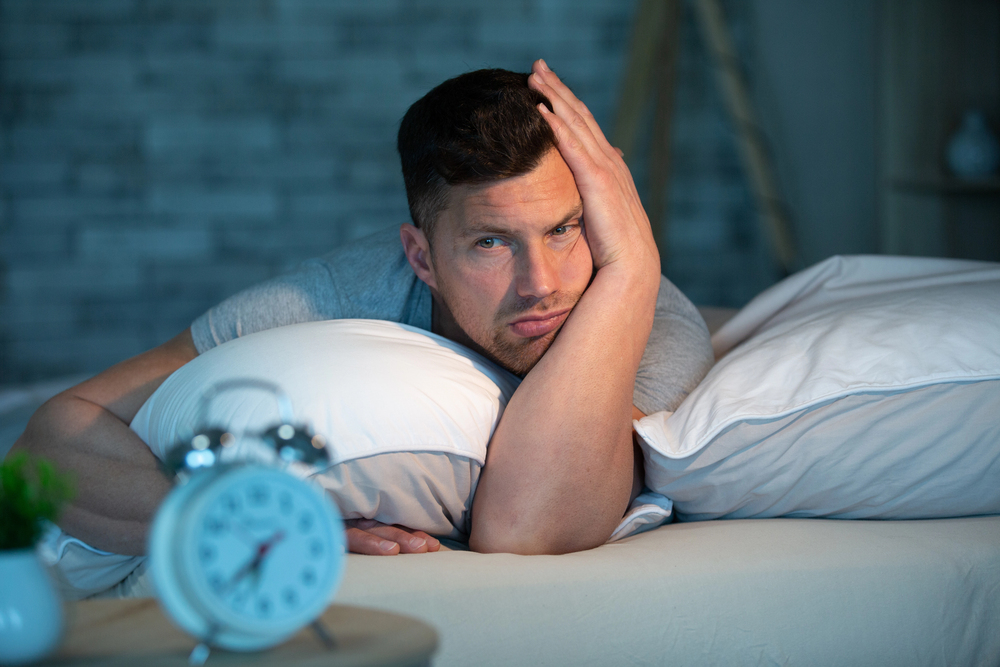
Most people think of snoring as nothing more than an annoyance. While loud snoring can certainly disrupt your partner’s sleep, it may also be a warning sign of something much more serious: obstructive sleep apnea (OSA).
Sleep apnea affects millions of Americans, yet experts estimate that many people who have the condition remain undiagnosed. Left untreated, sleep apnea can contribute to chronic fatigue, high blood pressure, heart disease, diabetes, memory problems, and a significantly reduced quality of life.
Fortunately, effective sleep apnea treatment is available—and for many patients, it doesn’t necessarily involve wearing a CPAP machine.
At Family Wellness Dentistry in Plano, TX, we help patients explore comfortable treatment options for obstructive sleep apnea. If you struggle with loud snoring, daytime fatigue, or interrupted sleep, call (972) 867-5989 to schedule a consultation.
What Is Sleep Apnea?
Obstructive sleep apnea is a condition in which the airway repeatedly becomes partially or completely blocked while you’re sleeping.
Each time this happens, your breathing briefly stops. Your brain senses the lack of oxygen and partially wakes you so normal breathing can resume.
These interruptions may occur dozens—or even hundreds—of times during a single night.
Many people don’t remember waking up, but their sleep never reaches the deep, restorative stages needed for proper rest.
What Causes Obstructive Sleep Apnea?
During sleep, the muscles throughout your body naturally relax.
For some individuals, the muscles in the throat relax enough that the airway narrows or collapses.
When this occurs, airflow is reduced or completely blocked until the brain signals the body to briefly wake up and reopen the airway.
Several factors can increase your risk of developing sleep apnea, including:
- Excess weight
- A naturally narrow airway
- Large tonsils
- Aging
- Family history
- Sleeping on your back
- Smoking
- Alcohol use before bedtime
Not everyone with sleep apnea fits the same profile. Even healthy, active individuals can develop the condition.
Common Symptoms of Sleep Apnea
Because the condition occurs while you’re asleep, many patients are unaware they have it.
A spouse or family member is often the first person to notice symptoms.
Common signs include:
- Loud, chronic snoring
- Gasping or choking during sleep
- Pauses in breathing
- Waking with a dry mouth
- Morning headaches
- Excessive daytime sleepiness
- Difficulty concentrating
- Irritability
- Memory problems
- Frequent nighttime awakenings
Some people assume they’re simply getting older or dealing with a stressful season of life when, in reality, poor-quality sleep is the underlying issue.
Why Sleep Apnea Is More Than a Sleep Problem
Sleep apnea affects far more than your energy level.
Every time your breathing stops, your body’s oxygen levels decrease. This repeated cycle places significant stress on your cardiovascular system.
Research has linked untreated obstructive sleep apnea to an increased risk of:
- High blood pressure
- Heart attack
- Stroke
- Heart rhythm disorders
- Type 2 diabetes
- Depression
- Anxiety
- Cognitive decline
Poor sleep can also affect work performance, driving safety, athletic performance, and overall quality of life.
How Is Sleep Apnea Diagnosed?
The first step is recognizing the symptoms.
If sleep apnea is suspected, your physician may recommend a sleep study.
This evaluation monitors your breathing, oxygen levels, heart rate, and sleep patterns overnight.
Some studies are performed in specialized sleep laboratories, while others can be completed at home using portable monitoring equipment.
Once a diagnosis is confirmed, treatment recommendations are based on the severity of the condition and your individual needs.
Is CPAP the Only Sleep Apnea Treatment?
Continuous Positive Airway Pressure (CPAP) therapy remains one of the most effective treatments for moderate to severe sleep apnea.
However, not every patient tolerates wearing a CPAP mask.
Some people struggle with:
- Mask discomfort
- Air leaks
- Dry mouth
- Claustrophobia
- Noise
- Difficulty sleeping while connected to the machine
Fortunately, CPAP isn’t the only option for many patients.
How Oral Appliance Therapy Works
For patients with mild to moderate obstructive sleep apnea—or those who cannot tolerate CPAP—a custom oral appliance may provide an effective alternative.
These appliances resemble a sports mouthguard but are carefully designed to reposition the lower jaw slightly forward during sleep.
This small adjustment helps keep the airway open by reducing collapse of the soft tissues in the throat.
Unlike over-the-counter mouthguards, professionally fabricated oral appliances are customized specifically for your bite and airway anatomy.
Many patients appreciate that oral appliances are:
- Small and portable
- Quiet
- Comfortable after an adjustment period
- Easy to travel with
- Simple to clean
- Convenient for nightly use
Who Is a Good Candidate for Oral Appliance Therapy?
Oral appliance therapy may be appropriate for patients who:
- Have mild or moderate obstructive sleep apnea
- Cannot tolerate CPAP therapy
- Travel frequently
- Snore heavily
- Prefer a less cumbersome treatment option
A comprehensive evaluation helps determine whether an oral appliance is likely to be effective for your specific situation.
Why Dentists Play an Important Role
Many people are surprised to learn that dentists can play an important role in treating sleep apnea.
Dentists receive specialized training in the anatomy of the jaw, airway, and oral structures.
Because oral appliances must fit precisely and position the jaw correctly, treatment should always be supervised by a qualified dental professional working alongside your physician or sleep specialist.
This collaborative approach helps ensure both comfort and effectiveness.
Don’t Ignore the Warning Signs
Snoring isn’t always harmless.
If you’re waking up exhausted despite spending enough time in bed—or if someone has noticed that you stop breathing during sleep—it may be time to seek professional evaluation.
Early diagnosis and appropriate sleep apnea treatment can improve not only your sleep but also your long-term health.
Improve Your Sleep—and Your Health—in Plano, TX
Quality sleep is one of the foundations of good overall health. If obstructive sleep apnea is preventing you from getting the rest your body needs, effective treatment may help you feel more energized, improve your concentration, and reduce your risk of serious health complications.
At Family Wellness Dentistry in Plano, TX, we work with patients to determine whether oral appliance therapy may be an appropriate part of their sleep apnea treatment plan. If you’re ready to explore your options, call (972) 867-5989 today to schedule your consultation and take the first step toward healthier sleep.