
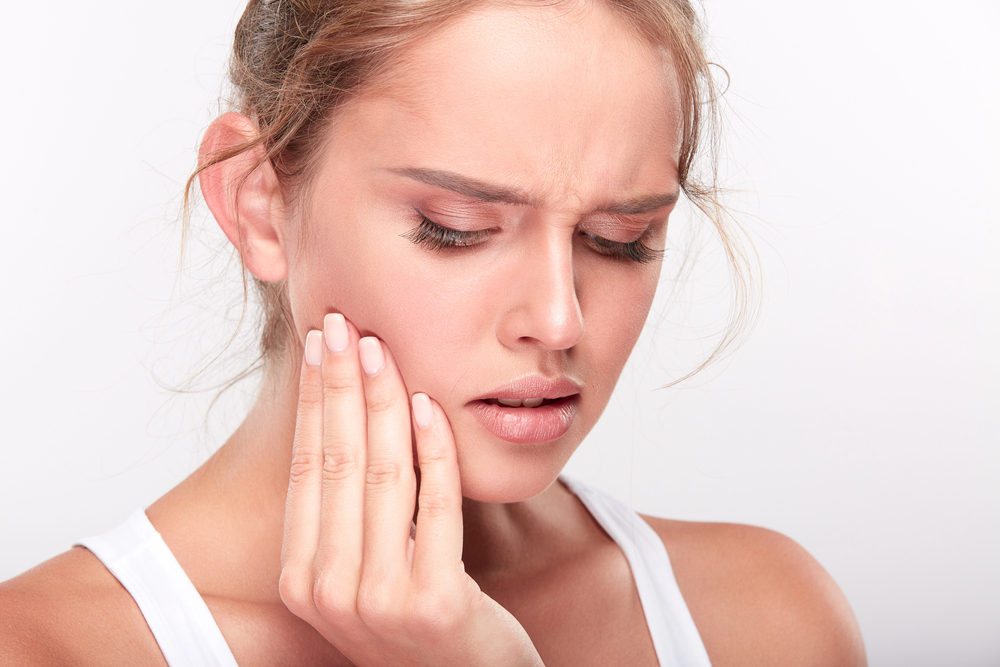
Restorative dental treatments like root canals preserve your biological teeth and prevent further damage. However, mild sensitivity after root canals is a common part of healing. The good news? Most tenderness fades as your tooth and surrounding tissues recover.
Do you have lingering pain or sensitivity after root canal therapy? Ask the team at Family Wellness Dentistry for help. You can contact Ankita J Patel, DDS, and her friendly team in Plano, TX, at (972) 867-5989 for an appointment today!
In this guide, Dr. Patel explains why post-treatment sensitivity happens, how long it lasts, and what you can do to feel better.
What Are Root Canals, Exactly?
Before diving into sensitivity, let’s quickly review what root canals are and why they’re done. Inside each tooth is soft tissue called pulp. It contains nerves, blood vessels, and connective tissue. When bacteria from deep decay, cracks, or trauma reach this pulp, it becomes infected.
A root canal procedure cleans out the infected tissue, sanitizes the inner canals, and plugs the tooth to prevent further infection. This treatment saves permanent teeth from being extracted. Compared to losing a tooth, root canals are a much healthier, long-lasting solution.
While modern root canals are virtually pain-free, the tissues surrounding your tooth can still feel tender for a few days after treatment. That sensitivity doesn’t necessarily mean the procedure failed. It’s a very natural part of the healing process.
Why Sensitivity Happens After Root Canal Therapy
It’s natural to expect instant comfort once a painful infection is gone. However, your tooth has been through a lot. Here are a few reasons you might still feel some sensitivity after root canals:
1. Inflammation in the Surrounding Tissue
Even though the infected pulp is gone, the area around the root tip can remain inflamed. During the procedure, Dr. Patel cleans and shapes these narrow spaces, which can irritate nearby tissues. This inflammation often causes mild soreness that improves as swelling goes down.
2. Bite or Pressure Changes
Sometimes, your bite may feel “off” after root canals, especially if the treated tooth sits slightly higher than others. Chewing can put uneven pressure on that tooth, leading to tenderness. A quick bite adjustment from your dentist usually fixes this issue.
3. Temporary Filling Sensitivity
After treatment, Dr. Patel seals your tooth with a temporary filling or crown until your long-term restoration is ready. This temporary material may not insulate as well, making the tooth feel sensitive to heat, cold, or pressure.
4. Residual Infection or Nerve Irritation
Experts estimate that between seven and 18% of root canal procedures fail. Though rare, bacteria can sometimes linger deep in the canal or in nearby tissue. In other cases, nerves in the jaw can remain sensitive for a while after treatment. Both scenarios can cause lingering discomfort that needs evaluation from your dentist.
How Long Does Sensitivity Usually Last?
Most patients experience tenderness for a few days after root canals, especially when chewing or touching the tooth. In some cases, mild discomfort can last a few weeks as the tissue heals completely.
The key is improvement over time. If your pain is decreasing each day, you’re likely healing well.
However, if discomfort worsens or becomes severe, it’s best to contact Dr. Patel. Persistent pain could indicate an underlying issue that needs attention.
How to Relieve Sensitivity After Root Canals
You don’t have to suffer through tenderness. Here are a few easy ways to ease discomfort and help your tooth heal smoothly after root canals:
1. Take Over-the-Counter Pain Relievers
Anti-inflammatory medications like ibuprofen or acetaminophen lessen swelling and discomfort. Always follow Dr. Patel’s instructions for dosage and timing.
2. Avoid Hard or Sticky Foods
Until Dr. Patel places your permanent crown over the treated tooth, avoid chewing on hard, sticky, or crunchy foods. These can stress the treated tooth, dislodge temporary crowns, and cause irritation. Stick to soft foods for the first few days.
3. Use a Warm Saltwater Rinse
Gently swishing warm, salty water around the mouth can soothe sore gums and promote healing. Mix a couple of pinches of table salt into a cup of clean, warm water and rinse gently twice daily.
4. Maintain Excellent Oral Hygiene
Continue brushing and flossing every morning and every night, but be gentle around the treated area. Keeping your mouth clean helps prevent reinfection and supports proper tissue recovery.
5. Check Your Bite
If chewing feels uneven, visit Family Wellness Dentistry for an adjustment. A balanced bite can relieve pressure and eliminate lingering tenderness.
When to Call Your Dentist in Plano, TX
While mild soreness is normal after root canals, certain symptoms may signal a problem. Contact Dr. Patel if you notice any of the following:
- Persistent or increasing pain beyond two weeks
- Redness or puffiness around the treated tooth or jaw
- A bad taste or odor coming from the area
- Unexplained fever
Preventing Future Sensitivity
Once your tooth has fully healed, it’s important to protect your dental work. Here’s how to keep your restored tooth healthy and pain-free for years:
- Get your permanent crown placed promptly. Delaying it can expose your treated tooth to damage or reinfection.
- Wear a mouthguard every night if you grind your teeth. Grinding can crack dental restorations and cause post-treatment sensitivity.
- Visit Family Wellness Dentistry regularly. Routine checkups with Dr. Patel catch small issues before they become big problems.
- Practice daily oral hygiene. Brushing and flossing prevent decay that could affect surrounding teeth or gums.
By taking care of your restored tooth, you’ll maximize the long-term success of your procedure and other restorative dental treatments.
Keep Your Smile Intact with Gentle Root Canal Therapy in Plano, TX
Experiencing mild tenderness after root canals doesn’t mean something went wrong. It’s simply your body’s way of healing. Most patients feel back to normal within a week or two. However, if discomfort lasts longer or becomes severe, Ankita J Patel, DDS, can help identify the cause and provide relief.
Eliminate infection, relieve pain, and preserve your natural smile with root canal therapy at Family Wellness Dentistry. Click here to request a root canal consultation in Plano, TX, or call (972) 867-5989 to ensure your smile feels as great as it looks.