
Regenerative dentistry and restorative dentistry sound similar, but your Plano dentist says that they are quite different in both purpose and method. Understanding the distinction helps you make informed decisions about their oral health.
Restorative dentistry repairs damage using artificial materials. Regenerative dentistry, however, aims to trigger biological mechanisms that encourage natural healing and regrowth. Want to see which is right for you? Call (972) 867-5989 to discuss your options with Ankita J Patel, DDS, at Family Wellness Dentistry in Plano, TX.
What Is Restorative Dentistry?
Restorative dentistry refers to dental treatments that repair, restore, or replace damaged or missing parts of the teeth and mouth. Your Plano dentist uses restorative procedures to bring back function, health, and aesthetics.
However, these treatments do not regenerate living tissue. Instead, they use durable materials to replace or protect damaged parts.
Common restorative dentistry procedures include:
- Dental fillings
- Dental crowns
- Bridges
- Dentures
- Dental implants
Your Plano dentist may recommend restorative treatments after decay, trauma, or tooth loss. These methods are well-established and widely used in dental practice.
What Is Regenerative Dentistry?
Regenerative dentistry focuses on restoring living tissues by stimulating the body’s natural healing processes. The goal is to regrow tissues rather than replace them with artificial materials.
This field uses biological tools such as:
- Stem cells
- Growth factors
- Biocompatible scaffolds
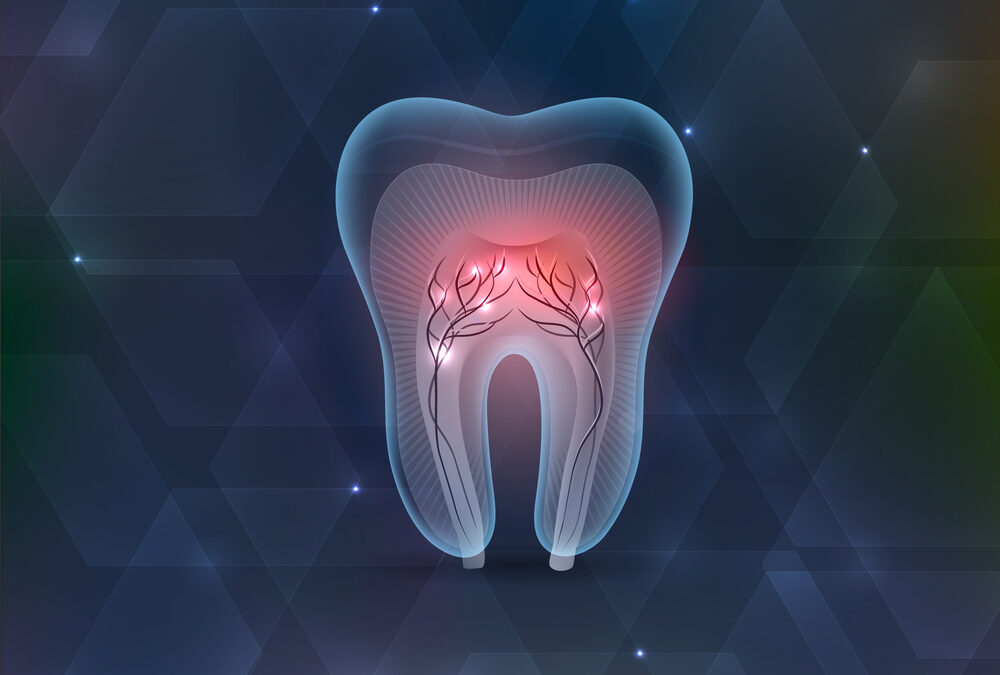
Regenerative dentistry may help rebuild bone, gum tissue, tooth enamel, periodontal ligaments, and dental pulp.
How Regenerative Dentistry Works
Regenerative dentistry uses biological principles to help the body rebuild tissues it has lost or damaged.
Stem Cells
Stem cells can become many types of cells, such as bone, nerve, or connective tissue. In dental applications, stem cells may help regenerate dental pulp, bone, or periodontal ligament.
Your Plano dentist may work with specialists to apply stem cell therapies where growth and healing are needed beyond conventional repair.
Growth Factors
Growth factors are proteins that send signals to cells. They influence cell growth, differentiation, and healing. In regenerative dentistry, growth factors encourage the body’s own cells to repair damaged tissues.
Scaffolds
Scaffolds are supportive structures that help new tissue grow in the right shape and location. They can be made of biocompatible materials that gradually dissolve as new tissue forms.
When stem cells, growth factors, and scaffolds work together, they create an environment that may lead to actual tissue regeneration rather than replacement.
Evidence-Based Facts About Regenerative Dentistry
Recent research suggests that regenerative endodontic procedures can lead to the formation of new dental pulp-like tissue that contains blood vessels and nerves. This finding shows that regeneration can result in living, functioning tissue rather than scar tissue or artificial filling material.
Furthermore, a 2023 meta-analysis found that stem cells seemingly regenerate periodontal tissues in humans. This is a major breakthrough in treating gum disease, as it allows dentists to address the disease before it creates lasting damage.
Unsurprisingly, this evidence suggests that regenerative therapy may be more than theoretical. That’s why your Plano dentist stays current with research to provide patients with the highest level of care possible.
When a Plano Dentist Recommends Restorative Dentistry
Restorative dentistry remains the foundation of dental care. Therefore, your Plano dentist might recommend restorative options when:
- A cavity needs treatment
- A tooth is cracked or broken
- A tooth is missing
- A tooth needs protection after root canal therapy
- A patient needs improved chewing ability
Restorative treatments are reliable and predictable. They have decades of clinical evidence supporting their use.
When a Plano Dentist Considers Regenerative Dentistry
Your Plano dentist may consider regenerative dentistry when tissue has been lost due to:
- Severe periodontal disease
- Trauma
- Bone loss before implant placement
- Deep infection that affects living tissues
- Need for periodontal ligament repair
Regenerative options may offer improved biological healing. Additionally, they may reduce the need for prosthetics in some cases, especially when tissue preservation is possible.
Benefits of Regenerative Dentistry
Regenerative dentistry offers its own set of advantages, including:
Natural Tissue Restoration
Instead of substituting for lost tissues, regeneration encourages the body to rebuild healthy structures.
Potential for Better Integration
Regenerated tissues may integrate more closely with surrounding natural tissues.
Long-Term Biological Health
Regenerative approaches may lead to improved long-term outcomes by preserving natural tissue and supporting biological function.
Challenges and Limitations of Regenerative Dentistry
Even with promising research, regenerative dentistry faces challenges:
Emerging Evidence
Many regenerative treatments are still in early clinical stages or research protocols.
Cost and Accessibility
Biological treatments may be more expensive than traditional restorative care. And, unfortunately, they may not be covered by insurance.
Need for Specialist Training
Not every Plano dentist (including Dr. Patel) may offer regenerative procedures. Some treatments require advanced training or referral to a specialist.
Questions to Ask Your Plano Dentist
If you are curious about regenerative dentistry, consider asking:
- Is regenerative dentistry an option for my case?
- What evidence supports this treatment?
- How does regenerative treatment compare with traditional care?
- What are the risks and benefits?
- What costs are involved?
These questions help patients participate in decision-making and understand why their Plano dentist recommends certain treatments.
The Future of Dental Regeneration
Research continues to advance in regenerative dentistry. Scientists are currently studying and finding ways to:
- Regenerate enamel
- Grow whole teeth in a laboratory environment
- Use gene therapy to stimulate natural repair
- Improve biomaterials for scaffold support
As these technologies evolve, more regenerative procedures may become practical in everyday dental practice. That’s why your Plano dentist stays on the cutting edge to bring these advances to patients as evidence supports them.
Is Regenerative Dentistry Right For You? Ask Your Plano Dentist Today!
Restorative dentistry repairs or replaces damaged structures with durable materials. Regenerative dentistry, however, aims to restore the body’s own living tissues. Both approaches have strengths and are useful in different situations.
Recent research shows real promise in regenerative methods, particularly for tissue healing and natural restoration. So, if you are considering advanced dental treatments, now is the time to ask your Plano dentist how regenerative and restorative options apply to your oral health goals.
Click here to request a consultation with Ankita J Patel, DDS, or call (972) 867-5989 to learn more about your options at Family Wellness Dentistry.