
A dental crown is one of the most common and effective restorative treatments available today. Whether you’ve had a crown placed after a root canal, to repair a cracked tooth, or to restore a large cavity, you’ve likely wondered at some point, “How long do dental crowns last?”
The answer depends on several factors, including the material used, your oral hygiene habits, your bite, and even everyday lifestyle choices. While dental crowns are designed to be durable, they aren’t indestructible. Understanding how they function—and what can shorten or extend their lifespan—can help you protect your smile for years to come.
At Family Wellness Dentistry in Plano, TX, we believe patients should understand not only how their dental treatment works but also how to care for it properly. If you have questions about an existing crown or think you may need one, call (972) 867-5989 to schedule an appointment.
What Is a Dental Crown?
A dental crown is a custom-made restoration that completely covers the visible portion of a damaged tooth above the gumline. Think of it as a protective cap that restores the tooth’s strength, shape, size, and appearance.
Crowns are commonly recommended when a tooth has lost too much structure for a filling to provide long-term support.
Your dentist may recommend a crown if you have:
- A large cavity
- A cracked or fractured tooth
- A tooth weakened by root canal therapy
- Severe tooth wear
- A broken filling that can’t be replaced with another filling
- A dental implant that needs a permanent restoration
- A misshapen or severely discolored tooth requiring cosmetic improvement
Because every tooth experiences different chewing forces, crowns are designed specifically for their location and function.
So, How Long Do Dental Crowns Last?
Many dental crowns last 10 to 15 years, and it’s not uncommon for well-maintained crowns to remain functional for 20 years or longer.
However, there is no expiration date.
Some crowns require replacement much sooner due to damage or decay, while others continue functioning beautifully for decades.
Rather than asking how long a crown should last, it’s more helpful to ask:
What determines how long my crown will last?
1. The Material Matters
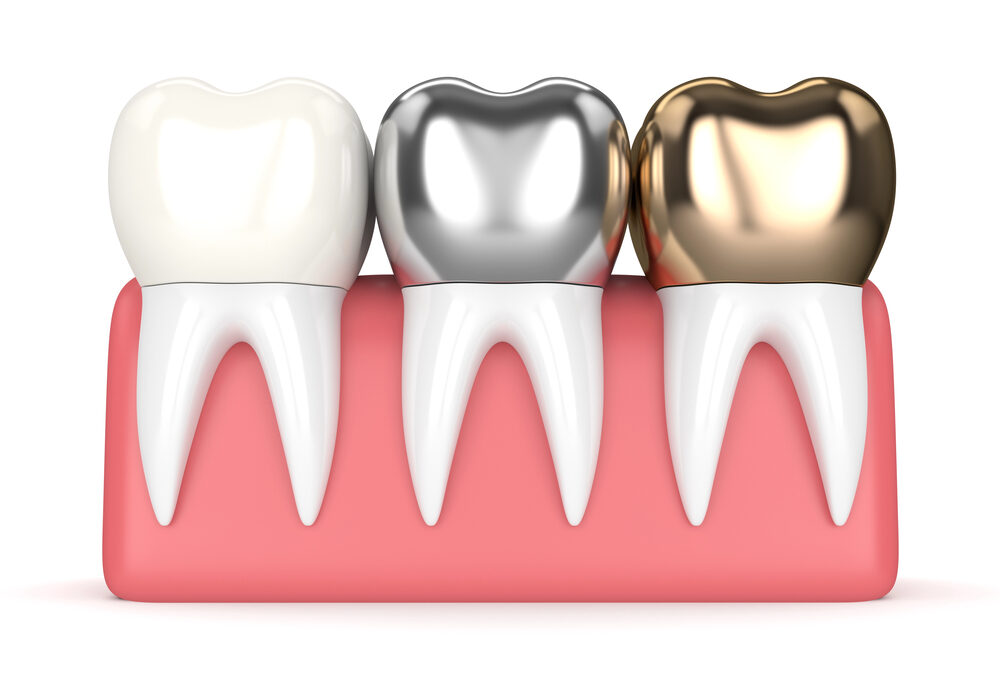
Dental crowns are made from several different materials, each offering unique advantages.
Porcelain or Ceramic Crowns
These crowns closely resemble natural enamel and are often chosen for front teeth because of their excellent appearance.
Modern ceramics are remarkably strong while providing outstanding aesthetics.
Porcelain-Fused-to-Metal Crowns
These combine the strength of metal with the appearance of porcelain.
While highly durable, the metal beneath the porcelain may occasionally become visible near the gumline over time.
Gold and Metal Crowns
Although less common today for visible teeth, gold and other metal alloys remain extremely durable.
They rarely chip and can withstand tremendous biting forces.
Your dentist recommends materials based on your bite, the tooth’s location, cosmetic goals, and long-term durability.
2. Oral Hygiene Plays a Bigger Role Than Many People Realize
One common misconception is that crowned teeth can’t develop problems because they’re “covered.”
In reality, the crown itself cannot develop a cavity—but the natural tooth underneath absolutely can.
The area where the crown meets the tooth remains vulnerable to decay if plaque isn’t removed consistently.
Protect your investment by:
- Brushing twice daily
- Flossing around the crown every day
- Using fluoride toothpaste
- Keeping regular dental appointments
- Having professional cleanings
Healthy gums are equally important because gum disease can weaken the supporting structures around crowned teeth.
3. Teeth Grinding Can Shorten a Crown’s Life
One of the biggest threats to dental crowns is bruxism, or chronic teeth grinding.
Many people grind their teeth while sleeping without realizing it.
Over time, grinding places tremendous pressure on both natural teeth and restorations.
This may lead to:
- Chipped porcelain
- Fractured crowns
- Loosening of the cement
- Cracks in the underlying tooth
If you grind your teeth, your dentist may recommend a custom nightguard to protect both your crown and your natural teeth.
4. Your Diet Makes a Difference
Crowns are durable enough for normal eating, but certain habits can increase the risk of damage.
Try to avoid using your teeth to:
- Open packages
- Crack nuts
- Chew ice
- Bite pens or pencils
- Tear tape
Sticky foods generally won’t damage a properly cemented crown, but repeatedly chewing extremely hard foods can increase wear over time.
5. Regular Dental Visits Help Crowns Last Longer
Routine dental examinations aren’t just about checking for cavities.
During each visit, your dentist evaluates your crown for signs of:
- Wear
- Cracks
- Loosening
- Changes in your bite
- Gum recession
- Decay around the margins
Detecting small problems early often prevents more extensive treatment later.
How Do You Know If a Crown Needs to Be Replaced?
Even if a crown still looks fine, there are situations where replacement becomes necessary.
Warning signs include:
Pain Around the Crown
Persistent sensitivity or discomfort may indicate decay beneath the restoration or problems with the underlying tooth.
A Loose Crown
A crown should never feel like it moves.
Movement may indicate cement failure or damage to the tooth underneath.
Visible Damage
Cracks, chips, or worn porcelain should be evaluated promptly.
Small fractures can sometimes become larger if ignored.
Gum Changes
Swelling, bleeding, or persistent tenderness around the crown may indicate gum disease or irritation.
Changes in Your Bite
If your crown suddenly feels “high” or your bite changes unexpectedly, an adjustment may be necessary.
Can a Crown Be Repaired?
Sometimes.
Small chips in porcelain may occasionally be repaired using dental bonding.
However, significant fractures or damage often require replacing the entire crown.
The best option depends on:
- The amount of damage
- The health of the underlying tooth
- The location of the crown
- The material used
Your dentist will recommend the most conservative treatment possible while protecting the long-term health of the tooth.
How to Make Your Dental Crown Last as Long as Possible
Fortunately, caring for a crown is relatively simple.
You can maximize its lifespan by:
- Brushing twice daily.
- Flossing carefully around the crown.
- Avoiding chewing hard objects.
- Wearing a nightguard if recommended.
- Limiting sugary snacks and beverages.
- Visiting your dentist every six months.
- Addressing small dental problems before they become larger ones.
These habits protect not only your crown but your entire smile.
Protect Your Smile at Family Wellness Dentistry
Dental crowns are designed to restore strength, function, and appearance to damaged teeth, and with proper care, many provide reliable service for well over a decade. While no restoration lasts forever, good oral hygiene, regular dental visits, and healthy daily habits can significantly extend the life of your crown.
At Family Wellness Dentistry in Plano, TX, we’re committed to helping patients protect their smiles for years to come. Whether you need a new crown, have questions about an existing restoration, or simply want to stay proactive with your dental health, we’re here to help.
Call Family Wellness Dentistry today at (972) 867-5989 to schedule your appointment and learn how to keep your dental crown—and your smile—healthy for many years ahead.