
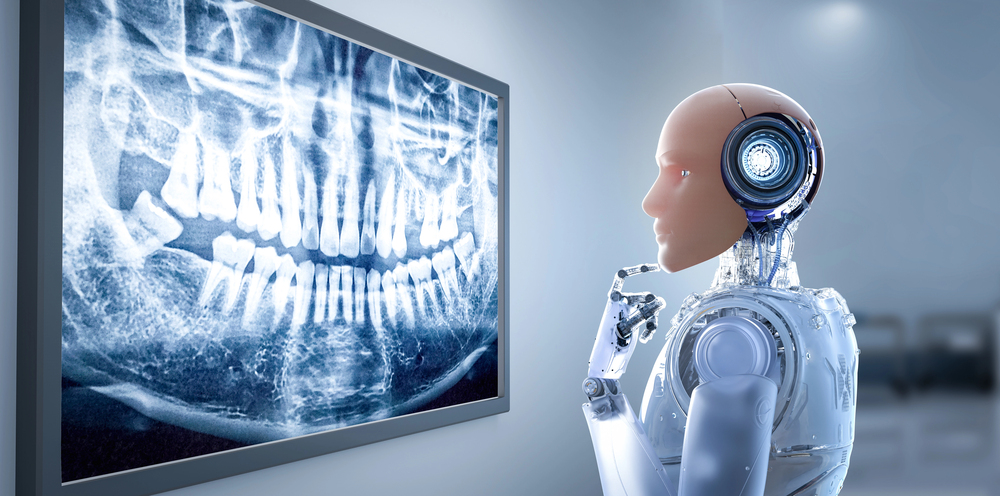
Artificial intelligence (AI) is transforming industries everywhere, and oral healthcare is no exception. Patients often wonder, “How has AI changed dentistry in recent years?” Well, your trusted dentist in Plano, TX, can already point to many breakthroughs that improve patient experiences, diagnostic accuracy, and treatment planning.
Today’s dental offices are becoming more efficient, precise, and patient-friendly thanks to AI-driven technology. Experience the future of better dental care with Ankita J Patel, DDS, at Family Wellness Dentistry. Dial (972) 867-5989 to book an appointment in Plano, TX, today!
In this blog, we’ll answer the question, “How has AI changed dentistry in meaningful ways?” From smarter diagnostics to faster treatments, you’ll be impressed by this advancement in dental medicine.
The Rise of AI in Dentistry
When considering how has AI changed dentistry, it’s important to start with its role in diagnostics. AI tools can now read dental X-rays and CT scans with accuracy comparable to trained professionals. This technology reduces human error and ensures earlier detection of cavities, bone loss, and even signs of oral cancer.
Studies have shown that AI-based systems can improve diagnostic accuracy. In fact, one recent study showed that AI image recognition performed at a level equal to or better than experienced clinicians in detecting dental caries. This makes the technology not just supportive, but sometimes superior in spotting hidden problems.
By adopting these tools, dental offices can provide faster results, more confidence in diagnoses, and earlier interventions, leading to healthier smiles. Clearly, how has AI changed dentistry starts with better, quicker detection.
Smarter Imaging and Diagnostic Tools
Advanced imaging software shows another clear example of how has AI changed dentistry. Traditional X-rays require careful interpretation, which sometimes leaves room for oversight. AI software now scans images and flags areas of concern instantly.
For example, when a patient comes in with tooth pain, a dentist can quickly upload an X-ray into an AI platform. Within moments, the software highlights weak enamel, microfractures, or areas of infection. This makes diagnostic processes faster, more transparent, and easier to explain to patients.
Patients benefit as well. With AI imaging, they can see color-coded charts or highlighted images that make complex dental issues easier to understand. This helps patients trust their treatment plan and feel more involved in their care. Once again, how has AI changed dentistry? Through increased patient confidence and clearer communication.
Personalized Treatment Planning
How has AI changed dentistry in treatment planning? Well, in the past, planning a dental implant or orthodontic case required manual measurements and educated guesses about outcomes. Now, AI programs can predict the success of different treatment options based on thousands of prior cases.
For implant dentistry, AI can help map out the exact angle, depth, and placement needed for each implant. This reduces complications and ensures long-term success. For orthodontics, AI software can simulate tooth movement and predict how a smile will look after treatment.
Patients benefit because treatment is no longer just a plan. It’s a personalized roadmap backed by technology. This level of detail is what makes AI one of the most powerful answers to, “How has AI changed dentistry?”
Faster and More Comfortable Treatments
When patients ask how has AI changed dentistry, one of the most exciting answers is speed. AI-driven systems help dentists streamline scheduling, minimize chair time, and even automate certain steps of treatment.
For instance, AI-assisted milling machines can now craft crowns or veneers in the office on the same day. What used to take weeks with an outside lab can now be done in hours. This is a game-changer for patients who want fast and convenient care.
AI also supports robotic-assisted dental surgery. While dentists remain in full control, robotic tools guided by AI allow for micro-precise movements. This reduces discomfort, minimizes recovery time, and improves treatment accuracy. These innovations highlight just how far how has AI changed dentistry has come.
AI in Preventive Care and Long-Term Monitoring
Dentistry isn’t just about fixing problems. It’s about preventing them. That’s why preventive care offers another key example of how AI has changed dentistry. Wearable devices and AI-powered apps can now track oral health habits.
For example, smart toothbrushes with AI analyze brushing patterns and send progress reports to both the patient and the dentist. These insights help identify areas being missed during brushing, reducing the risk of cavities and gum disease.
How has AI changed dentistry? By making preventive care smarter and more effective.
AI monitoring also extends to long-term care. For patients with chronic conditions like periodontal disease, AI can predict flare-ups and suggest earlier interventions.
Enhancing Research and Dental Education
How has AI changed dentistry, particularly research and training? Well, AI allows researchers to analyze vast datasets quickly, finding links between oral health and overall health. For example, links between gum disease and heart disease are better understood thanks to data-driven studies.
AI is also shaping the future of dental education. Dental students can now use AI simulations to practice procedures in realistic, risk-free environments. This accelerates learning and builds confidence before working with real patients.
Indeed, AI applications in dentistry have shown great promise in diagnostics, treatment planning, and education. These findings prove that AI is not just a passing trend but a lasting tool for progress.
The Challenges and Ethical Considerations
Of course, when asking, “How has AI changed dentistry?” it’s important to also consider the challenges. AI depends on data quality. Poor data can lead to incorrect predictions or bias in treatment planning.
Privacy is another concern. Patient data must remain secure and confidential. Dentists adopting AI tools must ensure compliance with HIPAA regulations and ethical standards.
Finally, AI is not a replacement for human judgment. While AI offers powerful support, the dentist’s skill and experience remain the foundation of safe and effective care. Understanding both the benefits and limits is essential when exploring how AI has changed dentistry.
A Smarter Future for Dentistry in Plano, TX
So, how has AI changed dentistry? The answer is smarter diagnostics, faster treatments, improved communication, stronger prevention, and better education. From a patient’s perspective, it means quicker visits, clearer results, and more comfortable care.
AI is shaping the future of oral healthcare, but it’s already here at Family Wellness Dentistry. Click here to experience smarter, faster, and more reliable dentistry with Ankita J Patel, DDS, or call us in Plano, TX, at (972) 867-5989 for an appointment now!