
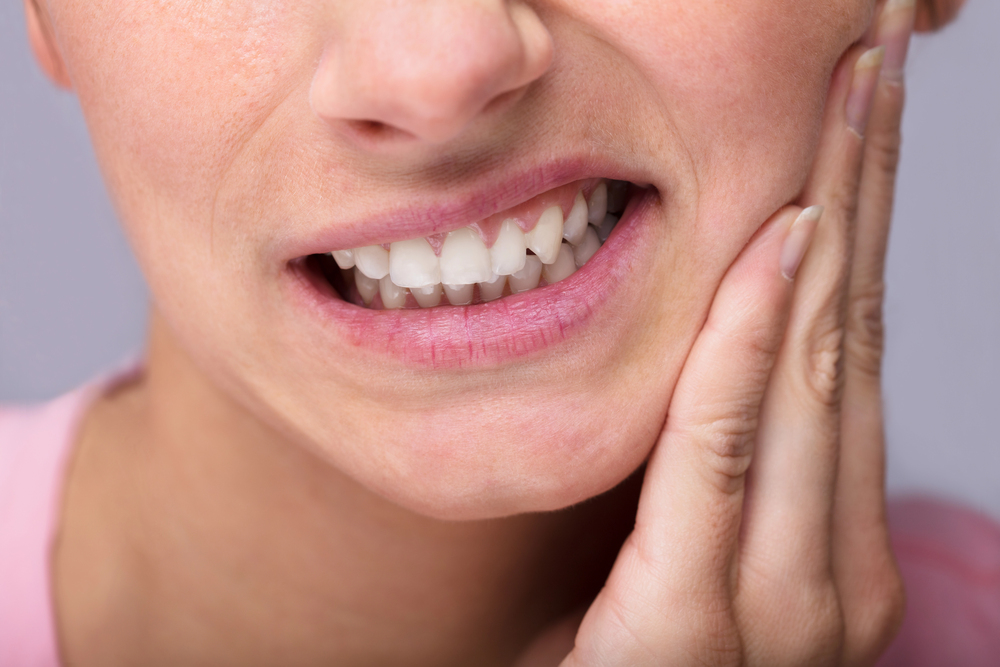
Lots of people notice sharp, sudden pain when they breathe in cold air or sip hot drinks in winter. Your Plano dentist is here to explain why colder temperatures make your teeth react more strongly.
With the right care, you can enjoy the season without wincing every time the weather changes. So, schedule a visit with your trusted Plano dentist to prevent long-term problems linked to winter sensitivity. Call (972) 867-5989 to book an exam with Ankita J. Patel, DDS, at Family Wellness Dentistry in Plano, TX, today!
How Cold Weather Affects Tooth Enamel
Tooth sensitivity is common, affecting around 25% of the adult population. Unfortunately, tooth sensitivity often gets worse during the cold winter months. Here’s why:
Tooth enamel reacts to temperature changes. When the air gets colder, enamel naturally contracts. This movement is minuscule, but it can expose the sensitive layer underneath the enamel, called dentin.
When dentin becomes exposed, you feel sharp zings, especially in cold weather. This is because the pores in dentin lead straight to the tooth’s nerve center. So, when cold air reaches those pores, the nerves send pain signals fast.
This is why even a small gust of winter wind can make you stop in your tracks. Luckily, your Plano dentist can check if your enamel has thinned over time, making these sensations more intense.
Why Winter Air Makes Sensitivity Worse
Winter air is dry, both outdoors and indoors. Furthermore, heaters reduce humidity and can dry out your mouth. This can lead to reduced saliva flow and a condition known as dry mouth.
Dry mouth is problematic for oral health because saliva protects enamel by coating the teeth and helping your mouth stay comfortable. Without enough saliva, cold air moves directly across the teeth and triggers nerve responses. That’s why your Plano dentist may suggest drinking more water, especially during colder months, to keep your mouth moist.
Sinus Pressure and Tooth Pain During Cold Months
Many people experience sinus problems during the winter. Sinus congestion increases pressure in your upper jaw, especially near your molars. This pressure can cause tooth pain that feels similar to sensitivity. Your Plano dentist can help you determine whether your discomfort is coming from your sinuses or an actual dental issue.
Hot Winter Drinks May Increase Tooth Sensitivity
Many people enjoy warm drinks in colder weather, like hot cocoa, tea, and coffee. While these drinks feel comforting, they can cause sudden temperature changes in your mouth.
These temperature swings make enamel expand and contract quickly. Subsequently, teeth feel more sensitive. Your Plano dentist suggests waiting a moment before drinking very hot beverages to prevent enamel stress.
Seasonal Stress and Teeth Grinding
Winter can bring extra stress from holidays, schedule changes, or cold-weather fatigue. Your Plano dentist says that added seasonal stress often increases nighttime grinding and clenching, which wears away enamel, exposes dentin, and creates more sensitivity.
Cold weather also tightens facial muscles, which increases pressure on your jaw. This tension can make nerves more reactive. Your Plano dentist recommends a night guard or stress-relief techniques to help prevent enamel damage during the colder months.
Gum Recession and Cold Sensitivity
Gum recession leaves the roots of your teeth exposed. Unfortunately, tooth roots do not have enamel, so they react strongly to cold temperatures.
Even mild winter air can trigger sharp, sudden pain. Luckily, your Plano dentist can check whether gum recession contributes to your discomfort and suggest treatments to reduce sensitivity.
Some solutions include fluoride varnish, tooth bonding, or gum graft therapy. Your Plano dentist will recommend the best option based on your gum health and level of sensitivity.
Breathing Cold Air Through Your Mouth
Breathing through your mouth on a cold day sends chilly air across your teeth. This direct contact increases pain, especially for people with thin enamel or gum recession. Your Plano dentist often suggests wearing a scarf or mask during cold weather to warm the air before it reaches your teeth.
If you have allergies or congestion, you may breathe through your mouth more often. This creates even more cold-air exposure. Your Plano dentist can help you understand how mouth breathing affects sensitivity and what steps can help protect your teeth.
How to Reduce Tooth Sensitivity in Cold Weather
You can take simple steps to manage tooth sensitivity during winter. These changes can help protect your enamel, reduce pain, and make outdoor activities more enjoyable.
Use Toothpaste for Sensitive Teeth
Toothpaste for sensitivity contains ingredients that block nerve signals. Your Plano dentist may recommend using it twice a day throughout the winter.
Brush with a Soft-Bristled Toothbrush
A soft-bristled brush protects your enamel and gums. Vigorous brushing with a hard-bristled brush can create small scratches in enamel and worsen sensitivity. Your Plano dentist can teach proper brushing technique that keeps your smile healthy.
Avoid Extreme Temperature Swings
Try not to alternate between very hot drinks and cold air quickly. Give your mouth time to adjust. Your Plano dentist recommends sipping warm drinks slowly to protect enamel.
Stay Hydrated
Drink plenty of water to increase saliva flow. A humidifier can also keep your mouth more comfortable indoors. Your Plano dentist encourages these habits to reduce dryness-related sensitivity.
Consider Fluoride Treatments
Fluoride strengthens enamel and reduces sensitivity. That’s why many patients benefit from fluoride varnish during winter. Dr. Patel can determine whether these treatments will help you.
Use a Night Guard if You Grind Your Teeth
A night guard made especially for you prevents grinding and protects enamel. Your Plano dentist can create one that fits your bite and reduces winter grinding symptoms.
When to Call Your Plano Dentist
If your teeth feel sensitive for more than two weeks, call your Plano dentist. Long-lasting sensitivity may signal a deeper problem, such as:
- Cavities
- Cracked teeth
- Worn enamel
- Gum disease
- Exposed roots
Your Plano dentist will examine your teeth, identify the cause, and recommend a treatment plan that brings lasting relief.
Warm, Winter Smiles Begin with Ankita J Patel, DDS
A personalized plan from your Plano dentist can help you enjoy winter weather, warm drinks, and outdoor activities without the sharp sting of sensitivity. Click here to request care at Family Wellness Dentistry in Plano, TX, or contact Dr. Ankita J Patel at (972) 867-5989 for scheduling.